A Comprehensive Analysis of the 2026 EURO-NMD Webinar Series on Charcot-Marie-Tooth Disease and the Structural Framework of Neuromuscular Education in the European Reference Networks
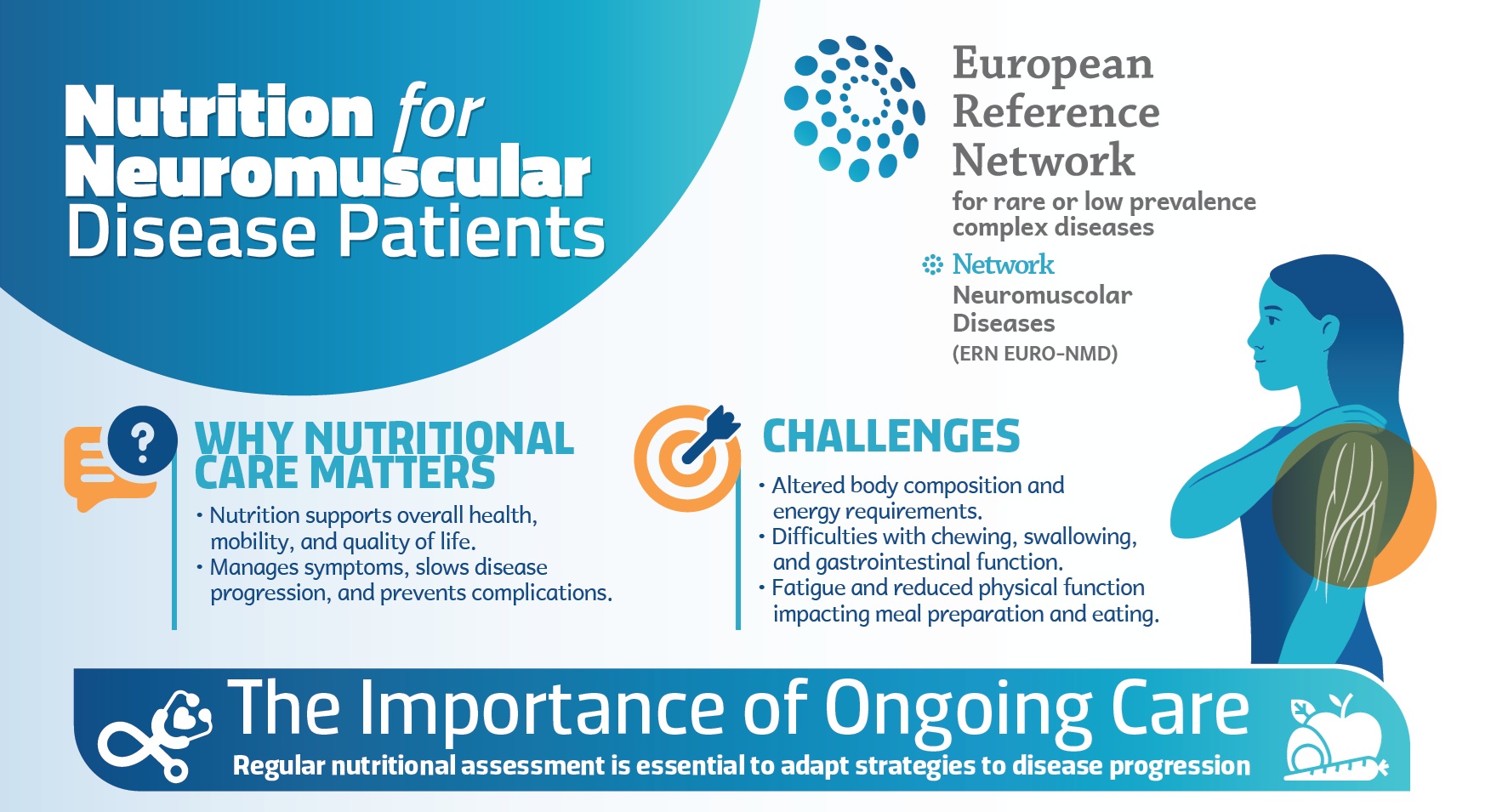
The landscape of rare neuromuscular diseases (NMDs) is characterized by high clinical heterogeneity and low individual prevalence, factors that historically hindered the development of standardized diagnostic protocols and effective therapeutic interventions. The emergence of the European Reference Network for Neuromuscular Diseases (EURO-NMD) has addressed these systemic challenges by uniting 84 of Europe’s leading clinical and research centers across 25 Member States. This collaborative infrastructure currently serves an estimated 150,000 patients annually, providing a centralized platform for the thematic grouping of rare disorders that affect approximately 500,000 EU citizens. The primary objective of these networks is to reduce the diagnostic uncertainty and care fragmentation that often characterize the “diagnostic odyssey” for patients with conditions like Charcot-Marie-Tooth (CMT) disease.
In January 2026, EURO-NMD launched a specialized webinar series dedicated to Peripheral Nerve Diseases, with a specific focus on CMT, to coincide with Charcot-Marie-Tooth Education Month. This series, organized in partnership with the European Reference Network for Rare Neurological Diseases (ERN-RND), the European Academy of Neurology (EAN), and the European CMT Research Association (ECRA), reflects a strategic commitment to high-level professional education and is one of the many outcomes of the 2nd European CMT Specialists conference. By utilizing digital platforms for live dissemination and asynchronous review via YouTube, the network ensures that cutting-edge insights from international experts are accessible to a global audience of clinicians, researchers, and patient advocates. The series was designed to cover the entire clinical spectrum of CMT, ranging from the fundamental challenges of diagnosis to the sophisticated requirements for clinical trial readiness and the frontiers of gene therapy.

| Episode | Title | Presentation Date | Primary Speakers |
|---|---|---|---|
| Episode 1 | Challenges in the Diagnosis and Treatment of Inherited Neuropathies | 8 January 2026 | Dr. Davide Pareyson & Dr. Filippo Genovese |
| Episode 2 | Progress in Genetic Diagnosis for Neuropathies | 15 January 2026 | Dr. Andrea Cortese |
| Episode 3 | Biomarkers and Outcome Measures for Clinical Trial Readiness in CMT | 22 January 2026 | Prof. Mary Reilly |
| Episode 4 | Current Progress in CMT Treatments | 29 January 2026 | Prof. Kleopas Kleopa |
Episode 1: Clinical Challenges and the Patient Journey in Inherited Neuropathies
The inaugural session of the series, conducted on January 8, 2026, addressed the foundational clinical difficulties inherent in the management of inherited peripheral neuropathies. This webinar was presented by Dr. Davide Pareyson from the Fondazione IRCCS Istituto Neurologico C. Besta in Milan and Dr. Filippo Genovese, representing the European Charcot-Marie-Tooth Federation and ACMT-Rete. The session was notable for its dual perspective, blending advanced clinical neurology with the lived experience of the patient community.
Dr. Pareyson provided an exhaustive review of the phenotypic variations observed in CMT, which encompasses over 100 distinct genetic subtypes. The discussion emphasized that while CMT1A—the duplication of the PMP22 gene at 17p11.2—is the most prevalent form, the diagnosis of rarer axonal (CMT2) and intermediate forms remains complex. Clinical indicators such as distal muscle weakness, sensory deficits, and skeletal deformities like pes cavus and hammer toes are hallmarks of the disease, yet their onset and progression rates vary significantly between individuals, even within the same family. Dr. Pareyson underscored the importance of electrophysiological studies (electromyography and nerve conduction velocities) as essential tools for distinguishing between demyelinating and axonal processes, which serves as the first branch in the diagnostic decision tree.
Dr. Genovese shifted the focus to the socioeconomic and psychological dimensions of CMT, articulating the challenges of the “diagnostic odyssey” where patients often spend years seeking an accurate name for their condition. The presentation advocated for a multidisciplinary approach to treatment, as no curative therapies currently exist. This model includes early intervention through physiotherapy to maintain joint mobility, the use of orthotics (such as Ankle-Foot Orthoses or AFOs) to address gait instability and foot drop, and surgical consultation for severe skeletal misalignments. The webinar also highlighted the role of patient organizations in providing peer support and driving research agendas that prioritize patient-reported outcomes. The replay of this comprehensive discussion is preserved on the EURO-NMD YouTube channel, providing a permanent reference for the clinical evaluation of inherited neuropathies.
Watch Link: The replay for Episode 1 is available via the EURO-NMD YouTube Channel:
| Clinical Feature | Demyelinating (CMT1) | Axonal (CMT2) |
|---|---|---|
| Nerve Conduction Velocity (NCV) | Significantly Reduced (<38 m/s) | Normal or Slightly Reduced |
| Primary Pathological Target | Schwann Cells / Myelin Sheath | Neuronal Axon |
| Typical Inheritance | Mostly Autosomal Dominant (e.g., CMT1A) | Diverse (Dominant, Recessive, X-linked) |
| Diagnostic Tool | Genetic testing for PMP22 duplication | Multi-gene NGS panels |
Episode 2: The Genomic Revolution and Novel Mutation Mechanisms
The second webinar, held on January 15, 2026, featured Dr. Andrea Cortese from the University College London (UCL) Department of Neuromuscular Diseases. Titled “Progress in Genetic Diagnosis for Neuropathies,” the session explored how technological shifts in genomics are reshaping the diagnostic landscape for CMT and related disorders. Dr. Cortese focused on the transition from Sanger sequencing to high-throughput methods, including Next-Generation Sequencing (NGS) and Whole Genome Sequencing (WGS), which have significantly increased the diagnostic yield for previously “unsolved” cases.
A central theme of Dr. Cortese’s presentation was the discovery of non-coding repeat expansions as a major, previously overlooked cause of inherited neuropathies. He detailed the molecular mechanisms of these expansions, such as those found in SORD and NOTCH2NLC, which can lead to distal weakness and sensory loss through pathways that differ from classical point mutations. The webinar provided a technical analysis of how these repetitive DNA sequences are translated into toxic proteins that form nuclear aggregates, which are detectable using specific markers like P62 rather than traditional muscle biopsy staining. Dr. Cortese emphasized that these aggregates disrupt the cellular transcriptome and promote oxidative stress, eventually leading to muscle degeneration and axonal loss.
The session also addressed the critical role of functional studies in interpreting Variants of Uncertain Significance (VUS). Dr. Cortese argued that genetic data must be contextualized within the patient’s ethnic background and clinical phenotype, as certain variants may be pathogenic in some populations but benign in others. The use of long-read sequencing technology was presented as a vital advancement for resolving complex genomic regions and structural variants that standard NGS often fails to capture. This episode serves as a high-level update for geneticists and neurologists on the cutting edge of genomic medicine in peripheral neuropathies.
Watch Link: The replay for Episode 2 can be accessed via the direct YouTube link:
Episode 3: Strategic Infrastructure for Clinical Trial Readiness
On January 22, 2026, Prof. Mary Reilly, a prominent figure in peripheral nerve research and former President of the Peripheral Nerve Society, delivered the third episode: “Biomarkers and Outcome Measures for Clinical Trial Readiness in CMT”. Prof. Reilly, based at the UCL Queen Square Institute of Neurology, addressed the specific challenges of conducting clinical trials for slowly progressive diseases where traditional functional measures may not show significant change over a 12-to-24-month period.
The webinar elucidated the necessity of identifying and validating “responsive” biomarkers that can objectively measure disease progression and therapeutic response. Prof. Reilly discussed the development of magnetic resonance imaging (MRI) of the lower limbs, specifically focusing on the measurement of the fat fraction in the calf and thigh muscles. This technique has demonstrated the ability to detect subtle increases in fat infiltration—a surrogate for muscle wasting—long before functional decline becomes apparent on clinical scales like the Charcot-Marie-Tooth Neuropathy Score (CMTNS). Prof. Reilly also explored the potential of molecular biomarkers, such as neurofilament light chain (NfL) levels in blood, which provide a snapshot of ongoing axonal damage.
The discussion emphasized that trial readiness is not merely about having a potential drug; it requires a standardized, international infrastructure. Prof. Reilly highlighted the efforts of the International Charcot-Marie-Tooth and Related Disorders Consortium (CMTR) to harmonize natural history data and standardize clinical assessments across global sites. This collaborative approach ensures that when therapeutic candidates enter Phase 3 trials, the community is prepared with validated tools to convince regulatory bodies like the EMA and FDA of the drug’s efficacy.
Watch Link: The replay for Episode 3 is available on the EURO-NMD YouTube Channel:
| Measure Type | Specific Tool | Application | Sensitivity to Change |
|---|---|---|---|
| Clinical Scale | CMTNS v2.0 | Holistic neurological assessment | Low (requires >2 years) |
| Pediatric Scale | CMTPedS | Assessing children with CMT | Moderate |
| Imaging | Muscle MRI Fat Fraction | Quantifying muscle wasting | High (detectable in 12 months) |
| Biofluid | Serum NfL | Monitoring axonal degeneration | High (dynamic marker) |
Episode 4: The Emerging Therapeutic Pipeline and Gene Therapy Frontiers
The final webinar of the series, presented on January 29, 2026, by Prof. Kleopas Kleopa of the Cyprus Institute of Neurology and Genetics (CING), focused on “Current Progress in CMT Treatments”. Prof. Kleopa, who co-chairs the EURO-NMD Working Group on Neuropathies, provided a comprehensive analysis of the therapeutic strategies currently moving through preclinical and clinical development.
The session centered on the shift from symptomatic management to targeted molecular therapies. For CMT1A, the primary therapeutic goal is to downregulate PMP22 overexpression. Prof. Kleopa discussed various methodologies to achieve this, including antisense oligonucleotides (ASOs), which bind to PMP22 messenger RNA to prevent its translation, and viral-vector-mediated gene silencing. He also highlighted the potential of small molecule therapies like PXT3003, which are designed to modulate the signaling pathways involved in myelin formation.
Prof. Kleopa’s own research in gene therapy for X-linked CMT (CMTX1) was a highlight of the session. He explained the use of Adeno-Associated Virus (AAV) vectors to deliver a functional GJB1 gene to Schwann cells and neurons, addressing the underlying connexin-32 deficiency. The webinar addressed the technical challenges of delivery to the peripheral nervous system, the importance of cell-specific promoters to avoid off-target effects, and the management of immune responses to viral capsids. Prof. Kleopa concluded with a vision for the future where genetic diagnosis, clinical trial readiness, and targeted therapeutics converge to provide the first disease-modifying treatments for the CMT community.
Watch Link: The replay for Episode 4 is available on the EURO-NMD YouTube Channel:
The Role of Educational Webinars in the Wider Neuromuscular Community
The network’s collaboration with Euro NMD ERN and other specialized entities, such as ERN-RND and EAN, allows for a cross-disciplinary approach to rare disease education. This is particularly relevant as many neuromuscular disorders share common diagnostic pathways or biological mechanisms with rare neurological disorders, such as the genetics of Amyotrophic Lateral Sclerosis (ALS) or the management of fatigue in myopathies. By centralizing these resources, EURO-NMD addresses the “rarity” challenge, ensuring that even the least common subtypes of CMT receive attention from the world’s leading specialists.
| Speaker | Primary Affiliation | Role in EURO-NMD/CMTR | Areas of Expertise |
|---|---|---|---|
| Dr. Davide Pareyson | Besta Institute, Italy | Clinical Research Lead | Phenotyping, natural history, clinical trials |
| Dr. Filippo Genovese | ACMT-Rete/ECMTF, Italy | PAG, Peripheral Neuropathies WG | Patient advocate, Scientist, IT |
| Dr. Andrea Cortese | UCL, United Kingdom | Neurogenetics Specialist | Repeat expansions, NGS, gene discovery |
| Prof. Mary Reilly | UCL, United Kingdom | Past President, PNS | Clinical trial readiness, MRI biomarkers |
| Prof. Kleopas Kleopa | CING, Cyprus | Co-chair, Neuropathy WG | Gene therapy, AAV delivery, CMTX research |
Conclusion: Synthesizing the Future of CMT Research and Care
The 2026 EURO-NMD webinar series on Charcot-Marie-Tooth disease serves as a definitive status report for the neuromuscular field, illustrating the profound synergy between clinical expertise, genomic technology, and patient advocacy. The series has successfully articulated that the path to effective CMT treatment is not a single discovery but a coordinated effort involving multiple scientific disciplines.
The clinical insights from Episode 1 established that despite the molecular revolution, meticulous phenotyping and multidisciplinary supportive care remain the bedrock of patient management. The genomic advancements discussed in Episode 2 have provided the tools necessary to end the “diagnostic odyssey” for many families, while simultaneously opening new questions about the pathogenic role of the non-coding genome. Episode 3’s focus on trial readiness demonstrated that the community is now equipped with the quantitative tools—such as muscle MRI—required to prove that next-generation therapies actually work. Finally, Episode 4 provided a window into a future where gene therapies and ASOs may soon transition from experimental models to clinical realities, potentially offering the first true cures for inherited neuropathies.
The role of the European Reference Networks in this process cannot be overstated. By providing the digital and organizational infrastructure for this series, EURO-NMD has ensured that these critical updates are not confined to academic ivory towers but are disseminated to the 150,000 patients and 84 centers that form the heart of the European neuromuscular community. As Charcot-Marie-Tooth Education Month concludes, the knowledge shared in these four webinars will continue to inform the clinical practices and research strategies of the global CMT community for years to come.