What is the EURORDIS Rare Barometer Survey on Mental Health?
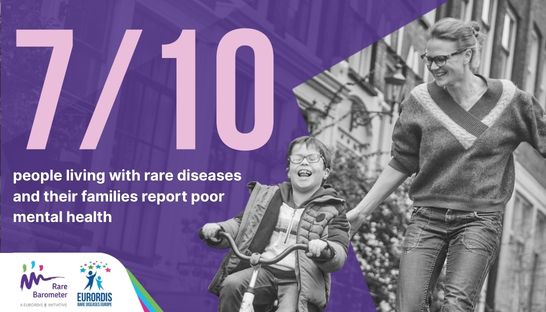
Rare Barometer is an independent, non-profit survey initiative created by EURORDIS – Rare Diseases Europe, uniting a panel of over 25,000 individuals living with a rare disease and their family members to amplify patient voices in European healthcare policy. Conducted between September 11 and December 14, 2025, the Rare Barometer Mental Health Survey represents one of the largest European studies examining psychological well-being across rare conditions. Using validated clinical metrics—including the PHQ-8 for depression, the GAD-2 for anxiety, and the UCLA loneliness scale—the survey evaluates mental distress, isolation, and access to psychological care across Europe. Within this broader European framework, we provide here the analysis of the specific responses of 183 individuals living with Charcot-Marie-Tooth disease across 27 countries, offering crucial evidence to drive targeted healthcare advocacy.
What’s the mental health outlook for CMT patients specifically?
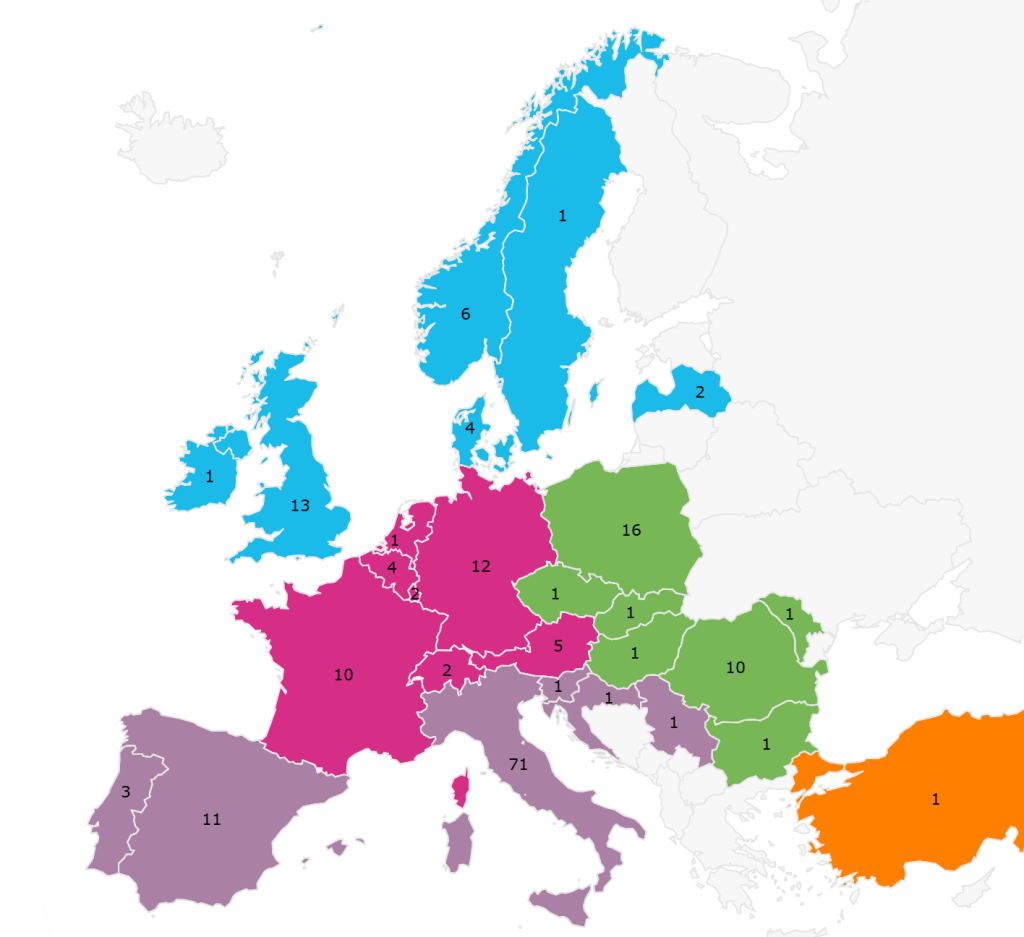
The geographic breakdown of participants reflects broad representation across Europe, with the highest participation recorded in Italy (71 respondents), followed by Poland (16), the United Kingdom (13), Germany (12), Spain (11), France (10), Romania (10), Norway (6), Austria (5), Belgium (4), Denmark (4), Portugal (3), Latvia (2), Luxembourg (2), and Switzerland (2). Single responses were also received from Bulgaria, Croatia, the Czech Republic, Hungary, Ireland, Moldova, the Netherlands, Serbia, and Slovakia. The European CMT Federation extends its sincere gratitude to all patients and family members who contributed their personal experiences to this study, as well as to EURORDIS and the Rare Barometer panel for facilitating disease-specific insights to drive healthcare policy reforms.
The impact of CMT on mental health
An itemized examination of specific PHQ-8 items over the preceding two weeks reveals severe daily functional and emotional impact:
- Physical Fatigue and Low Energy: Chronic fatigue is the single most prevalent issue, with 42% (76 respondents) feeling tired or having little energy nearly every day, and 24% (44 respondents) experiencing it on more than half the days (combining to 66% suffering severe fatigue). An additional 32% (58 respondents) reported fatigue on several days, while only 3% (5 respondents) experienced no fatigue.
- Sleep Disturbances: Difficulty falling asleep, staying asleep, or sleeping too much was reported by 25% (45 respondents) nearly every day and 17% (31 respondents) on more than half the days (42% combined high frequency), alongside 34% (63 respondents) experiencing sleep issues on several days.
- Depressed Mood and Hopelessness: Feeling down, depressed, irritable, or hopeless affected 10% (18 respondents) nearly every day, 13% (24 respondents) on more than half the days, and 59% (108 respondents) on several days.
- Feelings of Worthlessness: Feeling bad about oneself or feeling like a failure who let down family members affected 13% (24 respondents) nearly every day, 8% (14 respondents) on more than half the days, and 42% (76 respondents) on several days.
- Concentration Difficulties: Problems concentrating on work, reading, or watching television were noted by 10% (18 respondents) nearly every day, 9% (16 respondents) on more than half the days, and 39% (72 respondents) on several days.
- Psychomotor Changes: Moving or speaking so slowly that others noticed—or the opposite, feeling unusually restless and fidgety—was reported by 12% (22 respondents) nearly every day, 8% (14 respondents) on more than half the days, and 30% (54 respondents) on several days.
- Anhedonia: Experiencing little interest or pleasure in doing activities was reported by 6% (11 respondents) nearly every day, 17% (31 respondents) on more than half the days, and 51% (94 respondents) on several days.
- Appetite Changes: Poor appetite or overeating affected 11% (21 respondents) nearly every day, 11% (20 respondents) on more than half the days, and 39% (72 respondents) on several days.
Granular responses over the preceding two weeks indicate:
- Nervousness and Anxiety: Feeling nervous, anxious, or on edge was experienced by 14% (26 respondents) nearly every day, 25% (46 respondents) on more than half the days (39% combined frequent anxiety), and 46% (85 respondents) on several days.
- Uncontrollable Worrying: Being unable to stop or control worrying was reported by 16% (30 respondents) nearly every day, 15% (27 respondents) on more than half the days (31% combined frequent worry), and 48% (88 respondents) on several days.
Alarmingly, 32% of CMT participants reported experiencing suicidal thoughts over the preceding six months. This figure is five to eleven times higher than the 12-month prevalence rate observed in the general EU population (3% to 6%).
Among those who accessed professional psychological support:
- 25% received care from a General Practitioner or nurse.
- 18% were treated by specialized multidisciplinary teams at a Centre of Expertise.
- 18% were forced to pay completely out-of-pocket for non-reimbursed private mental health specialists (psychologists, psychotherapists, or psychiatrists).
- Only 13% accessed fully or partially reimbursed mental health specialists.
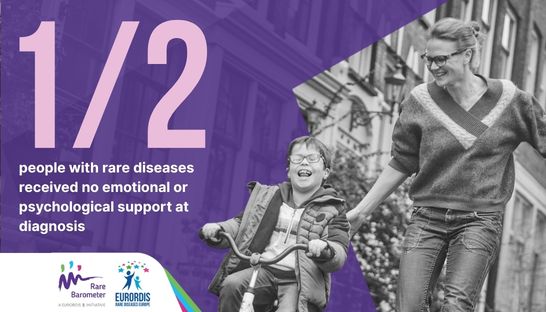
Due to structural barriers in formal healthcare, 71% relied on informal community-based emotional support. This informal care was primarily provided by family, friends, and neighbours (67%) and patient advocacy organisations, charities, or helplines (21%).
Anyone experiencing severe emotional distress or suicidal thoughts is urged to contact local support services anonymously through resources such as befrienders.org or blog.opencounseling.com/suicide-hotlines. Full survey analytics and documentation are available via the EURORDIS Rare Barometer portal.